Bluegrass Mandolin 101: Double Stops and Position Playing
By Theme Admin on February 22nd, 2015 at 7:37 PM
This course has concluded. To view the current list of courses offered, visit the Winter Online Course page.
Here is the Curriculum for Bluegrass Mandolin 101, which will run from March 30 to June 6, 2015. Class sessions take place online every Monday evening from 8-9 pm CST, and practice/review sessions take place online every Saturday morning from 9-9:45 am CST. For more info about the course, visit the Bluegrass Mandolin 101 and 102 page. To go to the registration page, click here.
WEEK 1 (3/30/15)
Three warmup exercises
Intro to position playing
Intro to Double stops
Will the Circle Be Unbroken
Bonus material: Down to the River to Pray
WEEK 2 (4/6)
Moving to the Key of A
Some tag licks to add to your solos
Backup playing and fills
I’ll Fly Away
Bonus material: You Ain’t Goin’ Nowhere
WEEK 3 (4/13)
Small Position Shifts
Adding some more licks to your solos
Double Stop Exercises in D
Banks of the Ohio
Bonus material: Keep on the Sunny Side of Life
WEEK 4 (4/20)
Position Playing II
Three different kickoffs
Chord tones in position playing
Man of Constant Sorrow
Bonus material: Redwing
WEEK 5 (5/4)
Shifting from Position I to Position II
Transposing to Other Keys
You Are My Sunshine
Bonus material: Where the Soul of Man Never Dies
WEEK 6 (5/18)
More Position Shifts
Turnarounds: I-V-I Progressions
Double Stop exercises in C
Sittin’ On Top of the World
Bonus material: Gold Watch and Chain
WEEK 7 (5/25)
Moving Double Stops Around to Create Melody
An Approach to Improvising
Soldier’s Joy
Bonus material: Panhandle Country
WEEK 8 (6/1)
Other keys: B, E, F, Bb.
A few licks using “open” style double stops
My Home’s Across the Blue Ridge Mountains
Bonus material: Goin’ Up Home to Live in Green Pastures
Register here.
To view other courses offered, click here.
Spring 2015 Online Mandolin Courses: Bluegrass and Monroe Style
By Theme Admin on February 22nd, 2015 at 7:35 PM
These courses have concluded. To view the current list of courses offered, visit the Winter Online Course page.
Welcome to mattflinner.com. And welcome to the Bluegrass Mandolin 101 online lessons program!
This spring, beginning the week of March 30, the Bluegrass Mandolin 101 program continues with some traditional bluegrass mandolin courses for students of all ability levels. The Double Stops and Position Playing courses will introduce students to essential techniques in bluegrass playing—addressing fundamentals of technique, learning positions on the fingerboard, playing backup and learning classic standard bluegrass songs along the way. Two courses are offered in Double Stops and Position Playing: 101 (Beginner to Intermediate) and 102 (Intermediate to Advanced).
We’re also introducing a new Monroe-Style Mandolin course, which will focus on the powerful and unique mandolin style of Bill Monroe. Students will learn the essentials of bluegrass mandolin from a distinctly “Monroe” perspective, focusing on the blues, rhythmic drive and getting around the neck in various keys while learning some classic Bill Monroe mandolin solos.
Here’s a description of the Bluegrass Mandolin 101 online experience that I hope will give you a good idea of what this exciting style of mandolin lessons is all about.
BLUEGRASS MANDOLIN 101 (and 102 and Monroe-Style!)
The Bluegrass Mandolin 101 program is a unique approach to online mandolin lessons that gives students the best of both worlds: access to live lessons as well as recorded mandolin instructional videos. These courses focus on helping mandolin students get to the next level in their playing and broaden their understanding of the bluegrass, old-time and fiddle tune traditions.
A UNIQUE APPROACH: LIVE INSTRUCTION PLUS INSTRUCTIONAL VIDEOS
Part of what makes Bluegrass Mandolin 101 unique is the fact that students follow a step-by-step program of live lessons over an eight-week course. The live lessons get a little more challenging each week, and students are encouraged to practice during the week in order to get comfortable with that week’s concepts in order to be more prepared for the next class session. Students also have unlimited access to several short instructional videos each week (usually about 6 to 8) but are also following a regular schedule which encourages them to actually practice the material regularly during the eight week period. The archive of short instructional videos plus the video recordings of each class session and practice session give the student plenty of material to work with during the course and on into their future mandolin endeavors!
THIS QUARTER’S COURSES
For Spring Quarter, there will be THREE courses offered:
1. Bluegrass Mandolin 101, which will start at a beginning/intermediate level and progress to a solidly intermediate level. This course will introduce students to the use of double stops and various positions on the neck, as well as various picking and fingerboard exercises to help develop good mandolin technique. View the curriculum here. Register here.
2. Bluegrass Mandolin 102, which will start at an intermediate level and progress to an intermediate/advanced level. This course will move take double stops and position playing to as well as transposing to various keys, moving toward improvisation, adding more licks, and playing in more challenging keys. View the curriculum here. Register here.
3. Monroe Style Mandolin with Matt Flinner. This is intended for students at an intermediate to advanced level who want to focus more exclusively on the distinct and amazing mandolin style of Bill Monroe. Students will learn many concepts covered in the 101 and 102 courses, but with a uniquely “Monroe” take on them. Focus will be on rhythmic drive, the bluesy side of bluegrass, and learning the fretboard in various keys while learning many classic Monroe mandolin solos. The curriculum for this course can be viewed here. Register here.
THE SCHEDULE
The live lessons for the Bluegrass Mandolin 101 course take place every Monday night from 8-9 pm Central time from March 30 to June 1, and for the Bluegrass Mandolin 102 course every Tuesday from 8-9 pm Central time from March 31 to June 2. The Monroe Style Mandolin course will take place every Wednesday night from 8-9 pm central time from April 1 to June 3. All three courses will also have Saturday practice/review sessions; 101 will be from 9-9:45 am central time, 102 will be from 10-10:45 am central time and the Monroe Style Mandolin practice sessions will be from 11:15 am-12 pm central time each Saturday from April 4 through June 6 (the weeks of April 27 and May 11 will be off, as the instructor has prior commitments during those weeks. There will still be eight class sessions and eight practice sessions in each course).
It is NOT imperative that students be able to attend the live mandolin bluegrass sessions. As all sessions will be recorded, students can revisit the recorded sessions during the week to catch up on that week’s material at their own leisure. Students attending the live lessons will be able to ask questions on the spot (and get immediate answers and interaction), while those watching the recorded sessions will be able to ask questions via email or on the class forum page.
VIDEOS, WRITTEN MATERIALS AND RECOMMENDED LISTENING
Students have access to video recordings of all of the class sessions and practice sessions as well (generally by the following morning, or, in the case of the Saturday practice sessions, later that afternoon). In addition, shorter practice videos of the material are immediately available for viewing after each class session, along with PDFs of the all of the material in standard notation and tablature. All of these videos (about eight or so per week) are available to view as many times as the student would like. Students can also download all materials (including videos and PDFs) to keep as long as they wish.
Students will also be given a list of recommended recordings for each week’s tunes. A variety of mp3 recordings will be suggested in the hope that students will broaden their musical horizons and get a better idea of how the tunes are played by the masters!
HOW INTERACTIVE IS THE COURSE?
All live sessions are interactive; students can ask questions and/or demonstrate tunes or exercises via live microphone or telephone, or via a chat window (most students opt for this approach). The instructor is able to immediately respond and demonstrate the answers for the whole class. Another form of interaction comes via mp3 recordings; students can record mp3s on their own time of themselves playing the material (or anything else they want to send in) and send it to the instructor for feedback, which is also recorded in mp3 form and sent back to the student. Students can post their mp3s on the class site (and likely get encouraging feedback from other students in addition to the instructor) or email them privately to the instructor.
HOW MUCH DO I NEED TO PRACTICE?
That is completely up to the student. While, say, 30 minutes per day might be a good recommendation for practice time, students can make whatever they choose of this course based on their own schedule and aspirations. Practicing week to week (say, 30 minutes per day) will help students keep up with the week’s lessons and concepts, but the instructor knows that people have busy lives! This is why all instructional material is archived and available for download so that students can learn on their own time after the course has finished as well as during the eight weeks of classes. However, one advantage to the eight-week scheduled course is that by practicing at least somewhat regularly, students are more able to be prepared for the following week’s lessons and therefore take full advantage of the live and recorded mix of lesson material.
Students can decide whether to practice along with the class session or with the shorter individual videos (or both), depending on what they want to focus on for that week. Material is given each week that is targeted toward various ability levels; a song is given which is playable for beginning to intermediate players (or intermediate to advanced in the 102 class), and various concepts relating to that song are also given to educate and challenge players at beginning, intermediate and even advanced levels. The student essentially decides how much they want to take on for the week (and the course) based on their ability level and how much practice time they have. Any material they were unable to get to during the week and want to revisit later will be available in the archived videos and PDFs. The instructor will also give students a recommended list of priorities each week to help students take the best advantage of their practice time.
THE CLASS WEBPAGE
This is the virtual gathering place for Bluegrass Mandolin 101 and 102 as well as the Monroe Style Mandolin courses, where students can view the instructional videos, view and/or download all written materials, listen to mp3s of Matt playing the tunes, get listening recommendations, ask questions, submit their own mp3s for feedback and generate forum discussions. It’s a great place to drop by any time and explore, learn and discuss.
REGISTRATION FEE
The fee for each eight-week course is $200. This gives you access to all live online lessons and practice sessions as well as access to all recorded videos, written materials and mp3s (which are yours to keep). Students opting to take more than one course at a time will receive a 10% discount for two courses or a 20% discount for three ($360 for two classes or $480 for three). Email [email protected] for info on receiving the discounted rate.
Here are a few quotes from some past students about their experiences in Bluegrass Mandolin 101:
“I’ve practiced more in two weeks than I have in months! Really enjoying how it’s going.”—Donna O.
“I have to say that making everything available online is a great convenience for me. Being able to stop and return to a more challenging exercise or a newer phrase is great for learning. I also really appreciate your availability to answer questions offline. This is a great course, and I feel as though I’m improving daily because of it.”—Joe C.
“The level was perfect. Mentally I understand many things that have opened up the fingerboard a lot; now I need some quality time to get it under my hands. I found things challenging without feeling out of reach.”—Stan M.
“I’m really enjoying the course. The first time I’ve actually practiced an instrument in my 60 years!”—Skip H.
To visit the registration pages, click one of these links:
Bluegrass Mandolin 101 Registration
Bluegrass Mandolin 102 Registration
Monroe-Style Mandolin Registration
You can always ask questions about the courses via email ([email protected]), and I’ll get back to you as quickly as possible. I hope to see you this spring!
All the best,
Matt
Winter 2015 Swing Mandolin Curriculum
By Theme Admin on November 29th, 2014 at 5:54 PM
This course has concluded. To view the current list of courses offered, visit the Winter Online Course page.
Explore the wonderful world of swing mandolin with Grammy-nominated mandolinist Matt Flinner. Learn a new swing tune (or two) each week and get pointers on how to play chords and backup as well as approaches to improvising. This course will be very much into chord voicings, scales, arpeggios and how they all relate to one another. It’s a great way to expand your playing and musicianship (and learn some great tunes)! The eight online lessons will take place every Monday or Tuesday night (your choice) from January 5th or 6th until March 3rd (with February 3rd off due to Matt’s touring schedule) and eight follow-up practice sessions will take place on Saturday mornings from January 10th to March 7th (again, with a week off on February 7th).
During the live sessions, students can ask questions and/or play examples via their microphone (built-in or external plug-in), or they can ask questions via a built-in chat window.
All students will also have unlimited access to short recorded videos of all of the material played at a slow tempo, PDFs of all material in both standard notation and mandolin tablature, and mp3s of all of the tunes at slow and medium speeds that they can practice along with. Students can access all of this material at any time through the class website, and can also download all materials (videos and class session videos included) to keep them permanently.
Students are also encouraged to submit mp3 recordings at any time during the course if they would like to, and the instructor will respond in an mp3 recording with constructive criticism. Students can submit these mp3s either privately via email or publicly via the class website, where all students can listen and respond if they choose to. Mp3 submissions are encouraged but not required, and there is no limit on how many mp3 submissions a student can send in.
Students will also be given a “Recommended Listening” list each week for the material covered. A variety of versions of each tune will be provided in the hopes that students will listen to recordings and further explore the wide world of recorded bluegrass and old-time music.
WHAT YOU WILL NEED TO PARTICIPATE:
1. A desktop or laptop Mac or PC computer, iPad or Internet-connected mobile device in order to view the sessions, plus a good internet connection.
2. An internal microphone and speakers on your laptop or desktop computer, or a phone to listen and speak (if desired) during the sessions. Instructions for participating by phone are included when you register for the course (long distance charges may apply).
3. During the course, you have the option of submitting recorded examples of your playing to the instructor (and to the group, if desired). In order to do this, you will need your computer’s built-in microphone or an external microphone plugged directly into your computer (via built-in ports or an external audio interface), in addition to basic audio recording software, such as Audacity or Garage Band, that will allow you to record yourself playing andsave the recording in MP3 format.
4. A mandolin (actually maybe that should have been #1).
The fee for the course is $200. If you have questions about the course, email Matt at [email protected].
Register for Swing Mandolin with Matt Flinner on Mondays here.
Register for Swing Mandolin with Matt Flinner on Tuesdays here.
To view other online mandolin courses being offered this winter, click here.
CURRICULUM
Week 1: the Blues
finding the important notes (3rds and 7ths)
7th Chord Inversions
Playing a Blues Chord Progression Smoothly
Dominant 7 Arpeggios
Mixolydian scales
The Blues Scale
Route 66
Blues in the Closet
Week 2: the ii-V-I
Some ii-V-I licks
Getting our basic tools: Major 7 Arpeggios + Minor 7 Arpeggios
Major Scales + Dorian Scales
How High the Moon
When You’re Smiling
Week 3: Going Around the Circle of 5ths
Identifying notes in the circle
Playing a few musical lines around the circle
3-note Seventh Chords around the circle
The Bebop Scale
It’s Only a Paper Moon
Caravan
Week 4: More ii-V-I Progressions
ii-V-I chords in two different inversions
Some More ii-V-I Licks in Various Keys
Combining Major, Dorian and Mixolydian Scales
Honeysuckle Rose
Satin Doll
Week 5: The I-VI-ii-V-I Progession
More chord inversions
Finding Common Tones Between Chords
Arpeggiating Through a Chord Progression
Back Home in Indiana
Charleston
Week 6: Some Ballads
Navigating Ballads with Tremolo, Triplets and Sixteenth Notes
Triplet Exercises
Stormy Weather
Georgia on My Mind
Week 7: Minor Keys
Harmonic minor scales
The minor ii-V-i
Half-diminished arpeggios
Dark Eyes
I’ve Found a New Baby
Week 8: A Bit of Chord Melody
Adding ornaments to various chord inversions
Throwing some chord melody fragments into your solos
Swanee River
Tea For Two
Questions? Email [email protected].
Winter 2015 Appalachian Mandolin Tunes and Technique Curriculum
By Theme Admin on November 29th, 2014 at 5:31 PM
This course has concluded. To view the current list of courses offered, visit the Winter Online Course page.
APPALACHIAN MANDOLIN TUNES AND TECHNIQUE WITH MATT FLINNER
Register here.
This course will focus on getting students more familiar with Appalachian fiddle music and old-time songs, and help them improve their mandolin tone and technique. Students will get pointers on how to maximize their tone, various approaches to rhythm playing and chords, making use of open strings, bits of variations as well as learning a new tune (or two) each week. The eight online lessons will take place every Wednesday evening from January 7th to March 5th (the last lesson will be on a Thursday evening), with February 4th off due to Matt’s touring schedule. Eight follow-up practice sessions will be held every Saturday morning from January 10th to March 7th, with February 7th being a week off.
During the live sessions, students can ask questions and/or play examples via their microphone (built-in or external plug-in), or they can ask questions via a built-in chat window.
All students will also have unlimited access to short recorded videos of all of the material played at a slow tempo, PDFs of all material in both standard notation and mandolin tablature, and mp3s of all of the tunes at slow and medium speeds that they can practice along with. Students can access all of this material at any time through the class website, and can also download all materials (videos and class session videos included) to keep them permanently.
Students are also encouraged to submit mp3 recordings at any time during the course if they would like to, and the instructor will respond in an mp3 recording with constructive criticism. Students can submit these mp3s either privately via email or publicly via the class website, where all students can listen and respond if they choose to. Mp3 submissions are encouraged but not required, and there is no limit on how many mp3 submissions a student can send in.
Students will also be given a “Recommended Listening” list each week for the material covered. A variety of versions of each tune will be provided in the hopes that students will listen to recordings and further explore the wide world of recorded bluegrass and old-time music.
WHAT YOU WILL NEED TO PARTICIPATE:
1. A desktop or laptop Mac or PC computer, iPad or Internet-connected mobile device in order to view the sessions, plus a good internet connection.
2. An internal microphone and speakers on your laptop or desktop computer, or a phone to listen and speak (if desired) during the sessions. Instructions for participating by phone are included when you register for the course (long distance charges may apply).
3. During the course, you have the option of submitting recorded examples of your playing to the instructor (and to the group, if desired). In order to do this, you will need your computer’s built-in microphone or an external microphone plugged directly into your computer (via built-in ports or an external audio interface), in addition to basic audio recording software, such as Audacity or Garage Band, that will allow you to record yourself playing andsave the recording in MP3 format.
4. A mandolin (actually maybe that should have been #1).
The fee for the course is $200. If you have questions about the course, email Matt at [email protected].
Register for Appalachian Mandolin Tunes and Technique with Matt Flinner here.
To view other mandolin courses offered this winter, click here.
CURRICULUM
WEEK 1: Getting the groove
Rhythm playing Using Open Chords
Maximizing Your Tone
Picking Exercise I
Adding Open Strings in D
Chilly Winds
Bonus Tune: Bonaparte’s Retreat
WEEK 2: Making the most of open strings in A
Picking Exercise II
Adding Some Notes in Backup Playing
Tater Patch
Bonus Tune: The Falls of Richmond
WEEK 3: Some Double Stops
Rhythm playing using double stops
Incorporating Double Stops into Your Solos
Double Stop Exercise in G
Roustabout
Bonus Tune: Double File
WEEK 4: Waltz Time
Tremolo Exercises
Double Stops in A
Drunkard’s Hiccups
Bonus Tune: All the Good Times Are Past and Gone
WEEK 5: Using open strings in G
Picking Exercise III
A Few Licks Thrown In
Adding Some Runs and Licks to Backup Playing
Fly Around My Pretty Little MIss
Bonus Tune: Elk River Blues
WEEK 6: Early Monroe Style
More Double Stops
“Open Style” Double Stop Exercise
My Long Journey Home
Bonus Tune: New River Train
WEEK 7: A Little Norman Blake
Adding Extra Notes to Open Chords
Minor chords and Double Stops
Walnut River
Bonus Tune: Peezlewister
WEEK 8: Tying it all together: Octaves, Double Stops, Licks and Backup
Hell Among the Yearlings
Bonus Tunes: Half Past Four
Hangman’s Reel
Bonaparte Crossing the Rhine
Questions? Email [email protected].
Winter Online Courses: Swing and Jazz Mandolin and Appalachian Mandolin Tunes and Technique
By Theme Admin on November 14th, 2014 at 6:22 PM
These courses have concluded. To view the current list of courses offered, visit the Winter Online Course page.
We’ll be adding some exciting new things to the Bluegrass Mandolin 101 online lessons program as 2015 gets rolling. Beginning January 5th and 6th, Swing and Jazz Mandolin with Matt Flinner starts up! Learn a new swing tune (or two) each week and get pointers on how to play chords and backup as well as approaches to improvising. This course will be very much into chord voicings, scales, arpeggios and how they all relate to one another. It’s a great way to expand your playing and musicianship (and learn some great tunes)! The eight online lessons will take place every Monday or Tuesday night (your choice) from January 5th or 6th until March 3rd (with February 3rd off due to Matt’s touring schedule) and eight follow-up practice sessions will take place on Saturday mornings from January 10th to March 7th (again, with a week off on February 7th).
Tunes for the Swing and Jazz Mandolin course will include: Charleston, Georgia on My Mind, Stormy Weather, Route 66, Dark Eyes, Swanee River, Caravan and How High the Moon (among others!).
To register for the Swing & Jazz Mandolin with Matt Flinner course on Mondays, visit the registration page.
To register for the Swing & Jazz Mandolin with Matt Flinner course on Tuesdays, visit the registration page.
View the curriculum for the course (Monday or Tuesday classes) here.
Another new course, Appalachian Mandolin Tunes and Technique with Matt Flinner, is also being added to the program. This course will focus on getting deep into Appalachian fiddle music and deep into mandolin tone and technique. Students will get pointers on how to maximize their tone, various approaches to rhythm playing and chords, making use of open strings, bits of variations as well as learning a new tune (or two) each week. The eight online lessons will take place every Wednesday evening from January 7th to March 5th (the last lesson will be on a Thursday evening), with February 4th off due to Matt’s touring schedule. Eight follow-up practice sessions will be held every Saturday morning from January 10th to March 7th, with February 7th being a week off.
Tunes for the Appalachian Mandolin course will include Chilly Winds, Wolves a-Howlin’, Bonaparte Crossing the Rhine, Drunkard’s Hiccups, Elk River Blues, Fly Around My Pretty Little Miss, All the Good Times Are Past and Gone and Tater Patch (among others!).
To register for the Appalachian Mandolin Tunes and Technique with Matt Flinner course, visit the registration page.
View the curriculum here.
Bluegrass Mandolin 101 Turns One Year Old!
By Theme Admin on October 6th, 2014 at 11:29 PM
Bluegrass Mandolin 101 turns one year old this week! It’s been a wonderful year, with eight courses covering a wide spectrum of the wonderful world of mandolin playing. Thanks to all the students who’ve been part of it and have helped it grow and improve. Here’s a little video that got a little more violent than I had hoped, but I hope you enjoy it.
Three new courses are starting up this week, including a new course for beginners starting up tonight. For more info on that, visit the Beginning Mandolin page.
Bluegrass Mandolin 101: Tunes, Technique and Improvisation I starts up Tuesday, and Bluegrass Mandolin 102: Tunes, Technique and Improvisation II starts up on Wednesday. Hope to see you in class!
Bluegrass Mandolin 102: Tunes, Technique and Improvisation II Curriculum
By Theme Admin on September 30th, 2014 at 11:59 PM
This course has concluded. To view the current list of courses offered, visit the Winter Online Course page.
The next Bluegrass Mandolin 102 course, “Tunes, Technique and Improvisation II,” begins October 8th and run through December 13, 2014. Each week, Matt will demonstrate new concepts and exercises along with a new tune (plus a bonus tune for the more ambitious student) to help you improve your mandolin technique, make better use of practice time, get more familiar with bluegrass and old-time music and have more fun playing music on your own and with others.
The course is fiddle tune-based, and will use various fiddle tunes as vehicles for improving technique, learning the fretboard and working toward creating variations and improvising.
The 102 level course is designed for mandolinists at an intermediate to advanced level to help them expand on improvisational concepts, learn more about the fretboard and push their playing to the next level. Register for 102 here.
The course will focus on a few main areas:
1. Improving picking technique to improve tone, rhythm, volume and speed.
2. Improving knowledge of the fingerboard through scales, arpeggios, licks, double stops, modes and exercises.
3. Creating variations on common tunes through various methods: using different octaves & registers, using chord tones and “target” notes, using various ornaments, incorporating double stops, and listening to recorded examples.
4. Working toward improvisation using all of the above tools.
5. Expanding your repertoire of bluegrass and fiddle tunes.
102 level classes will meet every Wednesday from 8-9 pm central time, and practice sessions will be held every Saturday from 11:15-noon central time.
All sessions (class and practice) will be video recorded, so that students may revisit the sessions as often as they would like, and students who were unable to attend the live sessions will be able to view them at their own convenience. (NOTE: Matt will be taking off the weeks of Oct 27 and Nov 24 due to his touring schedule and the Thanksgiving holiday. Lessons will resume each of the following weeks; in total, there will be eight class sessions and eight practice sessions over a period of ten weeks.)
During the live sessions, students can ask questions and/or play examples via their microphone (built-in or external plug-in), or they can ask questions via a built-in chat window.
All students will also have unlimited access to short recorded videos of all of the material played at a slow tempo, PDFs of all material in both standard notation and mandolin tablature, and mp3s of all of the tunes at slow and medium speeds that they can practice along with. Students can access all of this material at any time through the class website.
Students are also encouraged to submit mp3 recordings at any time during the course, and the instructor will respond in an mp3 recording with constructive criticism. Students can submit these mp3s either privately via email or publicly via the class website, where all students can listen and respond if they choose to. Mp3 submissions are encouraged but not required, and there is no limit on how many mp3 submissions a student can send in.
Students will also be given a “Recommended Listening” list each week for the material covered. A variety of versions of each tune will be provided in the hopes that students will listen to recordings and further explore the wide world of recorded bluegrass and old-time music.
WHAT YOU WILL NEED TO PARTICIPATE:
1. A desktop or laptop Mac or PC computer, iPad or Internet-connected mobile device in order to view the sessions, plus a good internet connection.
2. An internal microphone and speakers on your laptop or desktop computer, or a phone to listen and speak (if desired) during the sessions. Instructions for participating by phone are included when you register for the course (long distance charges may apply).
3. During the course, you have the option of submitting recorded examples of your playing to the instructor (and to the group, if desired). In order to do this, you will need your computer’s built-in microphone or an external microphone plugged directly into your computer (via built-in ports or an external audio interface), in addition to basic audio recording software, such as Audacity or Garage Band, that will allow you to record yourself playing andsave the recording in MP3 format.
4. A mandolin (actually maybe that should have been #1).
The fee for the course is $200. Questions about the 101 and 102 level courses (as well as the Bluegrass Mandolin for Beginners course) can also be emailed to [email protected].
FALL 2014 CURRICULUM
BLUEGRASS MANDOLIN 102: TUNES, TECHNIQUE AND IMPROVISATION II
Register here.
WEEK 1 (Oct 8): Creating octave variations & transitions between octaves
Warmup exercises
Adding some ornaments (hammer-ons, pull-offs, etc.)
Ear training exercise I
Cattle in the Cane
Bonus material: East Tennessee Blues
WEEK 2 (Oct 15): Adding some runs to your solos
Some V to I Licks
Ear Training Exercise II
Cherokee Shuffle
Bonus material: Stoney Creek
WEEK 3 (Oct 22): Using Some Bluesy licks
Blues scales in D and A
Blues licks in two positions
I to IV Licks
Elzic’s Farewell
Bonus Material: Old Daingerfield
WEEK 4 (Nov 5): Key of E
E Major Scale & Pattern
E Mixolydian Scale & Pattern
Ear training exercise III
Glory at the Meeting House
Bonus material: Crosseyed Fiddler
WEEK 5 (Nov 12): Adding Some Double Stops to Your Playing
D Double Stops (I, IV and V chords)
D minor Double Stops (I, IV and V chords)
Lonesome Fiddle Blues
Bonus material: Down Yonder
WEEK 6 (Nov 19):
Playing Up the Neck
Diatonic patterns up the neck
Pentatonic patterns up the neck
Sally Gooden
Bonus tune: Road to Columbus
WEEK 7 (Dec 3): Playing rags
Circle of fifths exercises
7th Chord Inversions & Diminished Chords
Complex Chord Patterns—how to smooth them out
Some More V-I Licks
Beaumont Rag
Bonus material: I Don’t Love Nobody
WEEK 8 (Dec 10): Tying it all together: using octaves, licks, patterns, target notes and double stops to create variations
Exercises for speed
Exercises for the fingering hand
The Gold Rush
Bonus material: Paddy on the Turnpike
Bluegrass Mandolin 101: Tunes, Technique and Improvisation I Curriculum
By Theme Admin on September 30th, 2014 at 11:53 PM
This course has concluded. To view the current list of courses offered, visit the Winter Online Course page.
The next Bluegrass Mandolin 101 course, “Tunes, Technique and Improvisation I,” begins October 7th and run through December 13, 2014. Each week, Matt will demonstrate new concepts and exercises along with a new tune (plus a bonus tune for the more ambitious student) to help you improve your mandolin technique, make better use of practice time, get more familiar with bluegrass and old-time music and have more fun playing music on your own and with others.
This course is fiddle tune-based, and will use various fiddle tunes as vehicles for improving technique, learning the fretboard and working toward creating variations and improvising.
The 101 level course is designed to help the mandolinist at a beginning to intermediate level improve the fundamentals of his or her playing and his or her ability to improvise, while expanding repertoire along the way. Register for 101 here.
The course will focus on a few main areas:
1. Improving picking technique to improve tone, rhythm, volume and speed.
2. Improving knowledge of the fingerboard through scales, arpeggios, licks, double stops, modes and exercises.
3. Creating variations on common tunes through various methods: using different octaves & registers, using chord tones and “target” notes, using various ornaments, incorporating double stops, and listening to recorded examples.
4. Working toward improvisation using all of the above tools.
5. Expanding your repertoire of bluegrass and fiddle tunes.
101 level classes will meet every Tuesday from 8-9 pm CST, and practice sessions will be held every Saturday from 10-10:45 am central time.
All sessions (class and practice) will be video recorded, so that students may revisit the sessions as often as they would like, and students who were unable to attend the live sessions will be able to view them at their own convenience. (NOTE: Matt will be taking off the weeks of Oct 27 and Nov 24 due to his touring schedule and the Thanksgiving holiday. Lessons will resume each of the following weeks; in total, there will be eight class sessions and eight practice sessions over a period of ten weeks.)
During the live sessions, students can ask questions and/or play examples via their microphone (built-in or external plug-in), or they can ask questions via a built-in chat window.
All students will also have unlimited access to short recorded videos of all of the material played at a slow tempo, PDFs of all material in both standard notation and mandolin tablature, and mp3s of all of the tunes at slow and medium speeds that they can practice along with. Students can access all of this material at any time through the class website.
Students are also encouraged to submit mp3 recordings at any time during the course, and the instructor will respond in an mp3 recording with constructive criticism. Students can submit these mp3s either privately via email or publicly via the class website, where all students can listen and respond if they choose to. Mp3 submissions are encouraged but not required, and there is no limit on how many mp3 submissions a student can send in.
Students will also be given a “Recommended Listening” list each week for the material covered. A variety of versions of each tune will be provided in the hopes that students will listen to recordings and further explore the wide world of recorded bluegrass and old-time music.
WHAT YOU WILL NEED TO PARTICIPATE:
1. A desktop or laptop Mac or PC computer, iPad or Internet-connected mobile device in order to view the sessions, plus a good internet connection.
2. An internal microphone and speakers on your laptop or desktop computer, or a phone to listen and speak (if desired) during the sessions. Instructions for participating by phone are included when you register for the course (long distance charges may apply).
3. During the course, you have the option of submitting recorded examples of your playing to the instructor (and to the group, if desired). In order to do this, you will need your computer’s built-in microphone or an external microphone plugged directly into your computer (via built-in ports or an external audio interface), in addition to basic audio recording software, such as Audacity or Garage Band, that will allow you to record yourself playing andsave the recording in MP3 format.
4. A mandolin (actually maybe that should have been #1).
The fee for the course is $200. Questions about the Bluegrass Mandolin 101 and 102 (as well as Bluegrass Mandolin for Beginners) can also be emailed to [email protected].
FALL 2014 CURRICULUM:
BLUEGRASS MANDOLIN 101: TUNES, TECHNIQUE AND IMPROVISATION I
Register here.
WEEK 1 (Oct 7): Picking and rhythm
Picking Exercises I
Fingering Exercises I
Scales: D Major and G Major
Open style chords
Eighth of January
Bonus material: The Speed of the Plow
WEEK 2 (Oct 14): Getting a fuller sound using open strings
Picking Exercises II
Fingering Exercises II
Open style backup in G
Arkansas Traveler
Bonus material: Cotton Eyed Joe
WEEK 3 (Oct 21): Octave variations
Picking Exercises III (three and four string exercises)
Fingering Exercises III
Scale Patterns: thirds in D and G
Open style backup in D
Whiskey Before Breakfast
Bonus material: Leather Britches
WEEK 4 (Nov 4): Transitions between octaves
Learning Chord Tones
Major Arpeggios
3 Chord Inversions
Playing backup using basslines and moving chords
Liberty
Bonus material: June Apple
WEEK 5 (Nov 11): Throwing in some licks
Scales: A Major and A Mixolydian; D Major and D Mixolydian
Open style chords in A and C
Dominant Arpeggios
Salt Creek
Bonus Material: Weave and Way
WEEK 6 (Nov 18): Creating variations using target notes
Minor Arpeggios
Using Bluegrass “Chop” Chords
Cuckoo’s Nest
Bonus Material: Flowers of Edinburgh
WEEK 7 (Dec 2): Incorporating Double Stops into Your Solos
Double Stop Exercise in A
Scales: A Dorian, D Dorian
Pike County Breakdown
Bonus material: Shove the Pig’s Foot a Little Closer to the Fire
WEEK 8 (Dec 9): Various approaches to improvising
Pulling it all together: octave changes, chord tones, licks and double stops as part of your solos
Bonaparte’s Retreat
Bonus material: Liza Jane
Bluegrass Mandolin for Beginners Begins October 6th
By Theme Admin on September 17th, 2014 at 10:55 PM
This course has concluded. To view the current list of courses offered, visit the Winter Online Course page.
Bluegrass Mandolin for Beginners is an eight-week online program designed to give the beginning mandolin student a solid foundation in basic mandolin technique, and help students start playing actual songs and tunes from the start. Chords, picking exercises, fingering exercises, rhythm exercises as well as tunes and songs will be taught each week in a progressive curriculum to help students establish good habits and enable them to advance more quickly in their mandolin playing.
Register here.
The eight-week course begins on October 6th and runs until December 13th. Class sessions will take place every Monday evening from 8-8:45 pm central time, and follow-up practice sessions will take place every Saturday morning from 9-9:45 am central time (Matt will be taking off the weeks of October 27 and November 24 off due to his tour schedule and the Thanksgiving holiday; there will be eight class sessions and eight practice sessions over a ten-week period). All class sessions and practice sessions will be recorded so that students can revisit the lessons as often as they’d like to, and students who are unable to attend any of the live sessions can view the lessons at their own convenience.
During the live sessions, students can ask questions and/or play examples via their microphone (built-in or external plug-in), or they can ask questions via a built-in chat window.
All students will also have unlimited access to short recorded videos of all of the material played at a slow tempo, PDFs of all material in both standard notation and mandolin tablature, and mp3s of all of the tunes at slow and medium speeds that they can practice along with. Students can access all of this material at any time through the class website, and can also download all materials (videos and class session videos included) to keep them permanently.
Students are also encouraged to submit mp3 recordings at any time during the course if they would like to, and the instructor will respond in an mp3 recording with constructive criticism. Students can submit these mp3s either privately via email or publicly via the class website, where all students can listen and respond if they choose to. Mp3 submissions are encouraged but not required, and there is no limit on how many mp3 submissions a student can send in.
Students will also be given a “Recommended Listening” list each week for the material covered. A variety of versions of each tune will be provided in the hopes that students will listen to recordings and further explore the wide world of recorded bluegrass and old-time music.
WHAT YOU WILL NEED TO PARTICIPATE:
1. A desktop or laptop Mac or PC computer, iPad or Internet-connected mobile device in order to view the sessions, plus a good internet connection.
2. An internal microphone and speakers on your laptop or desktop computer, or a phone to listen and speak (if desired) during the sessions. Instructions for participating by phone are included when you register for the course (long distance charges may apply).
3. During the course, you have the option of submitting recorded examples of your playing to the instructor (and to the group, if desired). In order to do this, you will need your computer’s built-in microphone or an external microphone plugged directly into your computer (via built-in ports or an external audio interface), in addition to basic audio recording software, such as Audacity or Garage Band, that will allow you to record yourself playing andsave the recording in MP3 format.
4. A mandolin (actually maybe that should have been #1).
The fee for the course is $150. If you have questions about the course, email Matt at [email protected].
Register for Mandolin for Beginners here.
MANDOLIN FOR BEGINNERS CURRICULUM
WEEK 1
Getting familiar with the mandolin
How to choose a pick, mandolin set-up and tuning
A Few Chords
A Few Picking Patterns
Fingering Position
Playing chords on Will the Circle Be Unbroken
Bonus material: This Land is Your Land
WEEK 2
Playing melodies
Picking Pattern 2
Chords in A
A Major scale
BIle Them Cabbage Down
Bonus material: Woody’s Rag
WEEK 3
Picking pattern 3
Fingering Exercise I
D major scale
Angeline the Baker
Bonus material: Wildwood Flower
WEEK 4
Picking pattern 4
A few minor chords
Rhythm patterns
G major scale
Old Joe Clark
Bonus material: Shady Grove
WEEK 5
Adding ornaments, Slides and Hammer-ons
Fingering Exercise II
Playing rhythm in Waltz time
Rhythm on Goodnight Irene
Muddy Roads
Bonus material: Eighth of January
WEEK 6
Getting to know the neck a little better
Closed position A major scale
Three Closed position chords
Red Haired Boy
Bonus material: Over the Waterfall
WEEK 7
Intro to position playing
A few double stops
Bluegrass “Chop Chords”
Will the Circle Be Unbroken
Bonus material: I’ll Fly Away
WEEK 8
Transitions between lead and rhythm
Trying other keys (with tunes from week 7)
Soldier’s Joy
Bonus material: Blackberry Blossom
Questions? Email Matt: [email protected].
Bluegrass Mandolin 101 and 102 Fall Classes Are Here
By Theme Admin on September 16th, 2014 at 3:05 AM
These courses have concluded. To view the current list of courses offered, visit the Winter Online Course page.
Bluegrass Mandolin 101 and 102 are back! Registration is now open for the Fall 2014 101 and 102 courses.
Join Matt Flinner for online mandolin lessons each week from the convenience of your own home. The next Bluegrass Mandolin 101 and 102 courses, “Tunes, Technique and Improvisation,” begin October 7th and 8th and run through December 13, 2014. Each week, Matt will demonstrate new concepts and exercises along with a new tune (plus a bonus tune for the more ambitious student) to help you improve your mandolin technique, make better use of practice time, get more familiar with bluegrass and old-time music and have more fun playing music on your own and with others.
Both of the fall courses are fiddle tune-based, and will use various fiddle tunes as vehicles for improving technique, learning the fretboard and working toward creating variations and improvising.
The 101 level course is designed to help the mandolinist at a beginning to intermediate level improve the fundamentals of his or her playing and his or her ability to improvise, while expanding repertoire along the way. Register for 101 here.
The 102 level course is designed for mandolinists at an intermediate to advanced level to help them expand on improvisational concepts, learn more about the fretboard and push their playing to the next level. Register for 102 here.
Both courses will focus on a few main areas:
1. Improving picking technique to improve tone, rhythm, volume and speed.
2. Improving knowledge of the fingerboard through scales, arpeggios, licks, double stops, modes and exercises.
3. Creating variations on common tunes through various methods: using different octaves & registers, using chord tones and “target” notes, using various ornaments, incorporating double stops, and listening to recorded examples.
4. Working toward improvisation using all of the above tools.
5. Expanding your repertoire of bluegrass and fiddle tunes.
101 level classes will meet every Tuesday from 8-9 pm CST, and practice sessions will be held every Saturday from 10-10:45 am central time.
102 level classes will meet every Wednesday from 8-9 pm CST, and practice sessions will be held every Saturday from 11:15-noon central time.
All sessions (class and practice) will be video recorded, so that students may revisit the sessions as often as they would like, and students who were unable to attend the live sessions will be able to view them at their own convenience. (NOTE: Matt will be taking off the weeks of Oct 27 and Nov 24 due to his touring schedule and the Thanksgiving holiday. Lessons will resume each of the following weeks; in total, there will be eight class sessions and eight practice sessions over a period of ten weeks.)
During the live sessions, students can ask questions and/or play examples via their microphone (built-in or external plug-in), or they can ask questions via a built-in chat window.
All students will also have unlimited access to short recorded videos of all of the material played at a slow tempo, PDFs of all material in both standard notation and mandolin tablature, and mp3s of all of the tunes at slow and medium speeds that they can practice along with. Students can access all of this material at any time through the class website.
Students are also encouraged to submit mp3 recordings at any time during the course, and the instructor will respond in an mp3 recording with constructive criticism. Students can submit these mp3s either privately via email or publicly via the class website, where all students can listen and respond if they choose to. Mp3 submissions are encouraged but not required, and there is no limit on how many mp3 submissions a student can send in.
Students will also be given a “Recommended Listening” list each week for the material covered. A variety of versions of each tune will be provided in the hopes that students will listen to recordings and further explore the wide world of recorded bluegrass and old-time music.
WHAT YOU WILL NEED TO PARTICIPATE:
1. A desktop or laptop Mac or PC computer, iPad or Internet-connected mobile device in order to view the sessions, plus a good internet connection.
2. An internal microphone and speakers on your laptop or desktop computer, or a phone to listen and speak (if desired) during the sessions. Instructions for participating by phone are included when you register for the course (long distance charges may apply).
3. During the course, you have the option of submitting recorded examples of your playing to the instructor (and to the group, if desired). In order to do this, you will need your computer’s built-in microphone or an external microphone plugged directly into your computer (via built-in ports or an external audio interface), in addition to basic audio recording software, such as Audacity or Garage Band, that will allow you to record yourself playing andsave the recording in MP3 format.
4. A mandolin (actually maybe that should have been #1).
The fee for each course is $200. Students taking both courses simultaneously receive a 10% discount ($40 off total) and suggestions on where to obtain strong doses of caffeine and/or psychological counseling. If you are interested in taking both courses, email [email protected] to make sure you get the discount. Questions about the courses can also be emailed to [email protected].
FALL 2014 CURRICULA:
BLUEGRASS MANDOLIN 101: TUNES, TECHNIQUE AND IMPROVISATION I
Register here.
WEEK 1 (Oct 7): Picking and rhythm
Picking Exercises I
Fingering Exercises I
Scales: D Major and G Major
Open style chords
Eighth of January
Bonus material: The Speed of the Plow
WEEK 2 (Oct 14): Getting a fuller sound using open strings
Picking Exercises II
Fingering Exercises II
Open style backup in G
Arkansas Traveler
Bonus material: Cotton Eyed Joe
WEEK 3 (Oct 21): Octave variations
Picking Exercises III (three and four string exercises)
Fingering Exercises III
Scale Patterns: thirds in D and G
Open style backup in D
Whiskey Before Breakfast
Bonus material: Leather Britches
WEEK 4 (Nov 4): Transitions between octaves
Learning Chord Tones
Major Arpeggios
3 Chord Inversions
Playing backup using basslines and moving chords
Liberty
Bonus material: June Apple
WEEK 5 (Nov 11): Throwing in some licks
Scales: A Major and A Mixolydian; D Major and D Mixolydian
Open style chords in A and C
Dominant Arpeggios
Salt Creek
Bonus Material: Weave and Way
WEEK 6 (Nov 18): Creating variations using target notes
Minor Arpeggios
Using Bluegrass “Chop” Chords
Cuckoo’s Nest
Bonus Material: Flowers of Edinburgh
WEEK 7 (Dec 2): Incorporating Double Stops into Your Solos
Double Stop Exercise in A
Scales: A Dorian, D Dorian
Pike County Breakdown
Bonus material: Shove the Pig’s Foot a Little Closer to the Fire
WEEK 8 (Dec 9): Various approaches to improvising
Pulling it all together: octave changes, chord tones, licks and double stops as part of your solos
Bonaparte’s Retreat
Bonus material: Liza Jane
FALL 2014 CURRICULA
BLUEGRASS MANDOLIN 102: TUNES, TECHNIQUE AND IMPROVISATION II
Register here.
WEEK 1 (Oct 8): Creating octave variations & transitions between octaves
Warmup exercises
Adding some ornaments (hammer-ons, pull-offs, etc.)
Ear training exercise I
East Tennessee Blues
Bonus material: Cripple Creek variations
WEEK 2 (Oct 15): Adding some runs to your solos
Some V to I Licks
Ear Training Exercise II
Cherokee Shuffle
Bonus material: Stoney Creek
WEEK 3 (Oct 22): Using Some Bluesy licks
Blues scales in D and A
Blues licks in two positions
I to IV Licks
Elzic’s Farewell
Bonus Material: Old Daingerfield
WEEK 4 (Nov 5): Key of E
E Major Scale & Pattern
E Mixolydian Scale & Pattern
Ear training exercise III
Glory at the Meeting House
Bonus material: Crosseyed Fiddler
WEEK 5 (Nov 12): Adding Some Double Stops to Your Playing
D Double Stops (I, IV and V chords)
D minor Double Stops (I, IV and V chords)
Lonesome Fiddle Blues
Bonus material: Down Yonder
WEEK 6 (Nov 19):
Playing Up the Neck
Diatonic patterns up the neck
Pentatonic patterns up the neck
Sally Gooden
Bonus tune: Road to Columbus
WEEK 7 (Dec 3): Playing rags
Circle of fifths exercises
7th Chord Inversions & Diminished Chords
Complex Chord Patterns—how to smooth them out
Some More V-I Licks
Beaumont Rag
Bonus material: I Don’t Love Nobody
WEEK 8 (Dec 10): Tying it all together: using octaves, licks, patterns, target notes and double stops to create variations
Exercises for speed
Exercises for the fingering hand
The Gold Rush
Bonus material: Paddy on the Turnpike
The View From Here
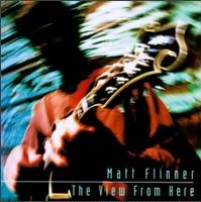
Walking on the Moon

Latitude

Music du jour
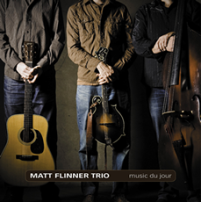
Copyright - Matt Flinner - All right Reserved